
A governor speed controller is an important device used in generator systems to maintain a constant engine speed. When a dynamo generator is connected to an engine (such as a diesel or petrol engine), the engine must rotate at a stable speed to produce a stable voltage and frequency.
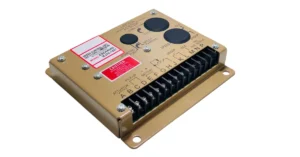
EFC GOVERNER CONTROLLER ESD5500. CLICK TO BUY THIS PRODUCT.
Purpose of a Governor
The main purpose of a governor is to automatically control the engine speed when the electrical load changes. When more electrical load is connected to the generator, the engine tends to slow down. Similarly, when the load decreases, the engine speed may increase. The governor continuously adjusts the fuel supply to keep the engine speed stable.
How the Governor Works
A governor monitors the rotational speed of the engine shaft. If the speed drops due to an increase in load, the governor increases the fuel input to the engine. This produces more mechanical power and brings the speed back to its normal level.
On the other hand, if the load decreases and the engine speed rises, the governor reduces the fuel supply, preventing the engine from running too fast.
Types of Governors
There are several types of governors used in dynamo engines, including:
-
Mechanical governors that use centrifugal force and springs
-
Electronic governors that use sensors and electronic controllers
-
Hydraulic governors used in larger generator systems
Importance in Generator Systems
A properly functioning governor helps maintain stable frequency, smooth operation, and protection of the engine and generator. Without a governor, the generator speed could fluctuate, leading to unstable electrical output and possible damage to connected equipment.
Conclusion
A governor speed controller plays a critical role in dynamo-based power systems. By automatically adjusting the fuel supply according to the load, it ensures that the engine maintains a constant speed and reliable power generation.
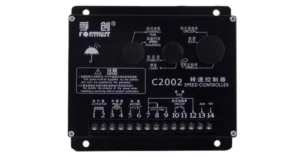
EFC GOVERNER CONTROLLER C2002. CLICK TO BUY THIS PRODUCT.